Casement Windows in Chicago
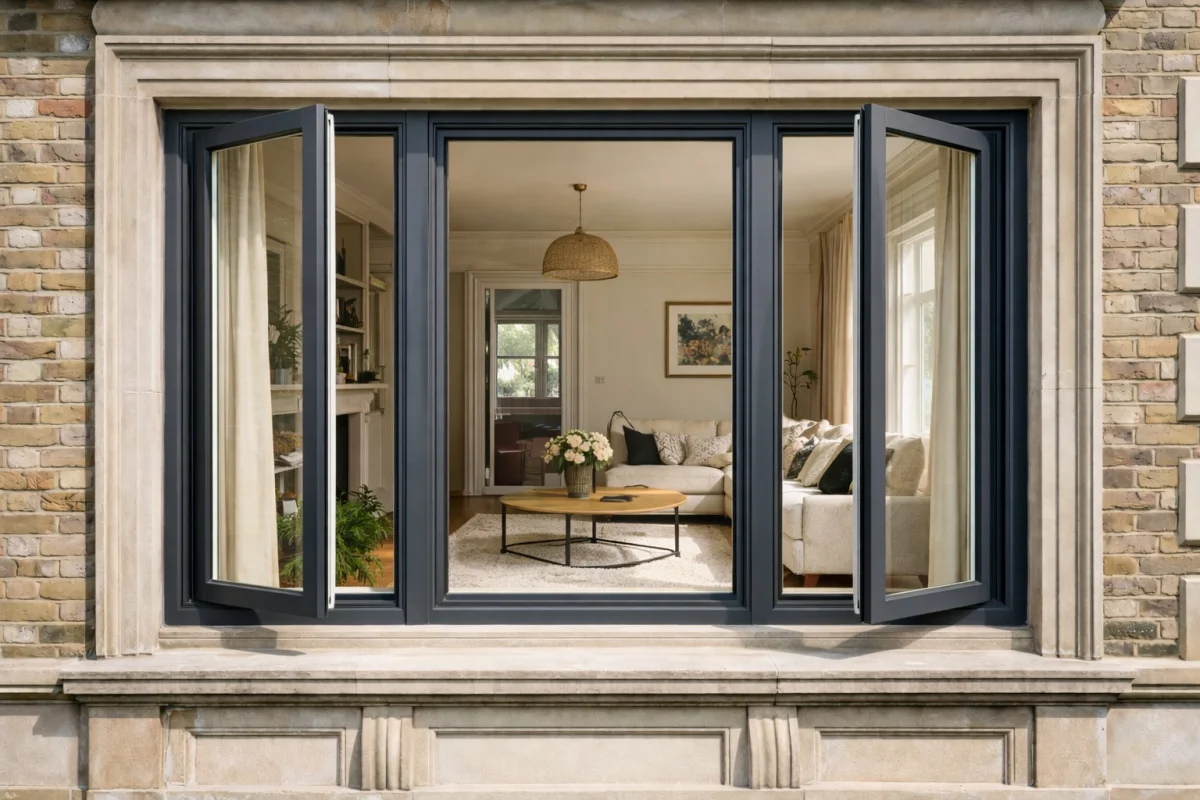
Bring more light, fresh air, and comfort into your home with energy-efficient casement windows from WarmDreams. Designed for Chicago-area homes, they combine wide-open ventilation, smooth operation, and timeless style with reliable year-round performance.
How Casement Windows Work
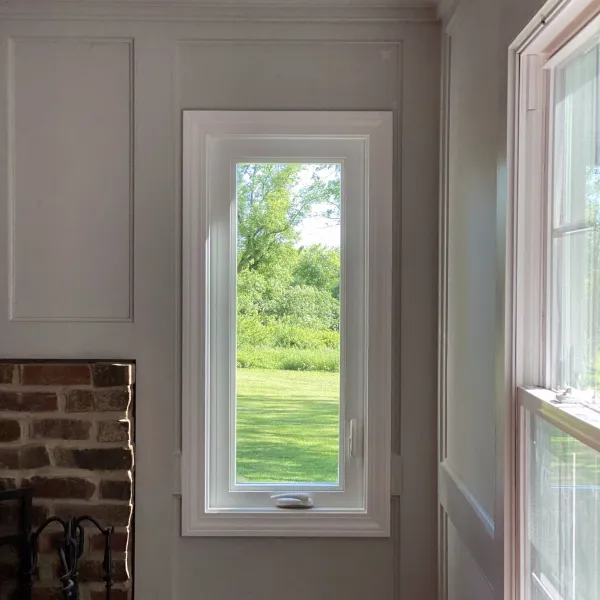
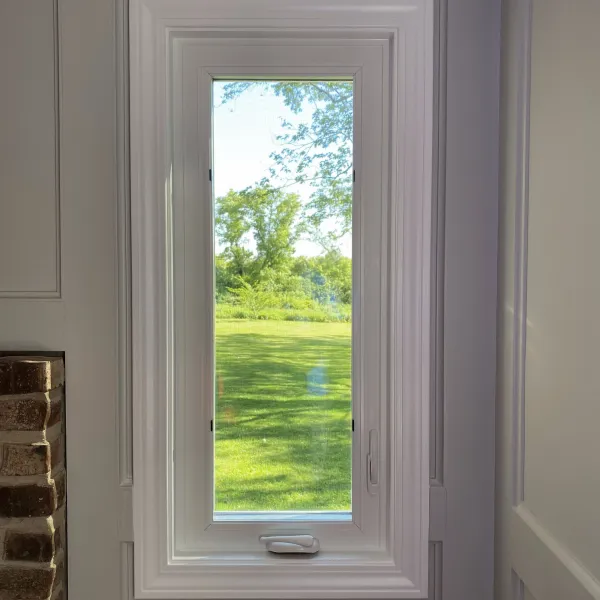
A casement window hinges on one side and swings outward, left or right, like a door. A crank handle at the base does the work: turn it, and the sash pivots open on its hinges. Close it, and a compression gasket — a continuous rubber seal running the perimeter of the frame — pulls tight against the sash.
That compression seal is what sets casement apart from every sliding or double-hung style. Wind doesn't work against it, wind pushes into it. A gust off Lake Michigan presses the sash further into the frame rather than finding a gap to slip through, which is part of why casement windows hold up well against Chicago's harsher wind days.
Security follows the same logic. A multi-point lock engages several points along the vertical frame from a single handle, and the hinges and locking hardware sit recessed into the frame, not exposed on the surface, so prying a casement window open from outside is considerably harder than with a sliding sash.
What It Costs
Casement window replacement in the Chicago area runs $700 to $1,300 installed, generally landing at the higher end of standard window pricing — a reflection of the crank mechanism and hinge hardware, which cost more to manufacture and install than a simple sliding track. See our Chicago pricing guide for the full picture across window styles.
Casement vs. Double-Hung: What Actually Differs
The two styles solve ventilation differently, and the difference matters more than it might seem.
Seal and draft resistance. A casement window's compression seal, activated by the crank pulling the sash tight, generally outperforms a double-hung window's reliance on weatherstripping along the sliding tracks. Double-hung is good; casement is built to seal tighter by design.
Airflow. A fully open casement sash acts like a scoop, catching a breeze and directing it straight into the room. Double-hung windows split airflow between top and bottom sashes, which works well for passive cross-ventilation but doesn't capture wind the same way.
Clearance. This is where double-hung wins outright. A casement sash swings outward, which means it needs clear space on the exterior side — a real constraint on narrow side yards, tight decks, or a walkway that runs close to the house. Double-hung sashes move entirely within the frame and never claim exterior space.
Width limits. Because the hinges carry the full weight of the glass along one side, casement sashes are typically built narrower than double-hung or sliding windows of comparable height. For a wide opening, French casement (two sashes opening from a center point) or a double-hung window is usually the better fit.
Types of Casement Windows
- Traditional Casement: A single sash, hinged on one side, the standard configuration for most homes.
- French Casement: Two sashes that open from the center, giving a wide, unobstructed opening without a center post interrupting the view.
- Push-Out Casement: A simpler manual mechanism, no crank, for a cleaner look and straightforward operation.
Hinge a casement at the top instead of the side, and it's generally called an awning window — it opens outward from the bottom, which lets it stay open for ventilation even during light rain, a different use case worth knowing if you're comparing styles for a specific room.
Where Casement Windows Work Best
Their crank operation makes casement windows a strong fit for spots a double-hung window would be awkward to reach — over a kitchen sink or a bathtub, where sliding a sash up and down means leaning across the fixture. A single motion of the crank handles it instead.
They're also worth considering when a home's original window openings are narrow and tall, not wide. That's not incidental: openings built taller than they are wide, portrait-oriented, historically tended toward casement or sash designs, while wider, landscape-oriented openings suit double-hung more naturally. If you're replacing windows in an older Chicago home and want the new units to read as original to the house, the shape of the existing opening is a reasonable clue to which style was likely there first.
Finishes and Color Options
Every WarmDreams casement window is available across three finish categories:
- Solid finishes: White, Almond.
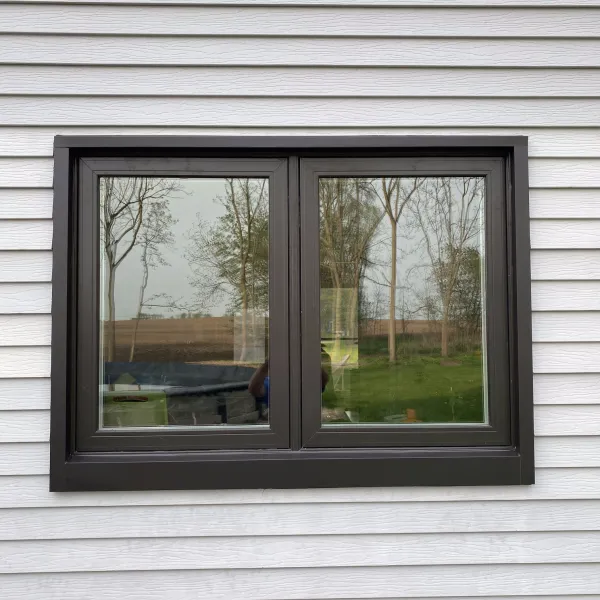
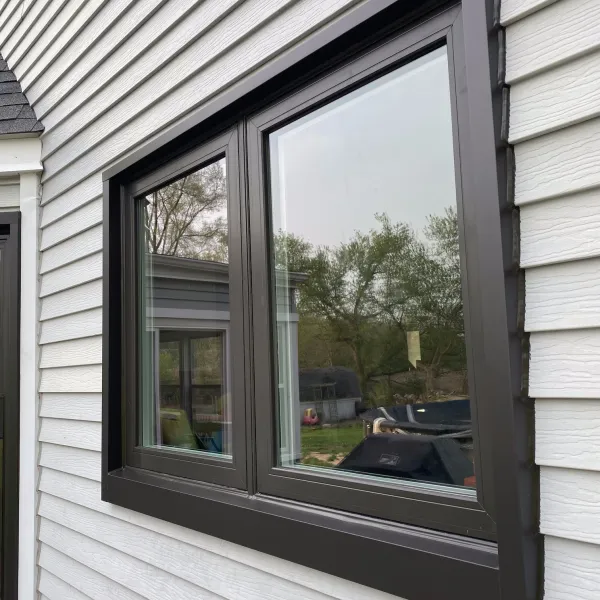
- Painted finishes: Bronze, Black. The paint is engineered specifically for vinyl, non-toxic, lead- and chromium-free, and flexible enough to move with the frame as it expands and contracts through temperature swings.
- Laminated finishes: Light Oak, Dark Oak. These films are tested for heat reflectivity and fade resistance, backed by a lifetime warranty.
- Custom colors: Royal Bronze, Cocoa, Bonneville Green.
What to Watch For Over Time
The crank mechanism is the one part of a casement window that a double-hung window simply doesn't have, and it's the part most likely to need attention eventually. A gearbox that's stiff, slow, or grinding usually means it needs cleaning and lubrication, not replacement, unless it's been neglected for years.
Because the sash swings outward, the screen for a casement window is mounted on the interior, not the exterior. That keeps it out of the way of the operating mechanism and protects it from weather, which tends to make it last longer than an exterior screen would.
Exterior clearance is worth checking before you commit to casement for a specific opening. A sash that swings into a narrow side yard, a deck railing, or a walkway close to the house can become a daily annoyance, not the design feature you pictured. It's a five-minute check during a walk-through, and it's the kind of detail worth raising with your installer directly rather than assuming it'll work out.
Ready to replace your casement windows? Get a free, no-pressure estimate and a WarmDreams technician will measure your openings within days.
Frequent Questions Answered
Are casement windows easy to maintain?
Can casement windows be installed in older homes?
Are casement windows energy-efficient?
Do casement windows offer good security?
What else are casement windows called?
Ready to enhance your Chicago home with casement windows?
Upgrade Your Home with Casement Windows
WarmDreams offers free in-home consultations with our certified experts, who bring over 20 years of experience. We’ll evaluate your needs, provide a clear quote, and ensure compliance with local codes—no pressure, just expert guidance. Contact us now to boost your home’s comfort, efficiency, and beauty with custom casement windows.